
Creating a DIY deep root watering spike using common household items is a sustainable and cost-effective way to ensure your plants receive the hydration they need directly at their roots. This method is especially useful for gardens in arid climates or for those who want to minimize water wastage by targeting where the water is most needed.
This DIY deep root watering spike is perfect for vegetable gardens, flower beds, or even trees and shrubs that require consistent and deep watering. By directing water straight to the roots, this approach reduces surface evaporation and ensures that the plants receive adequate moisture. Ideal for plants like tomatoes, peppers, roses, and other deep-rooted species, this system can be adjusted based on the plant's size and water needs. The use of recycled milk jugs makes this an eco-friendly choice, reducing plastic waste.
3-Material DIY Deep Root Watering Spike
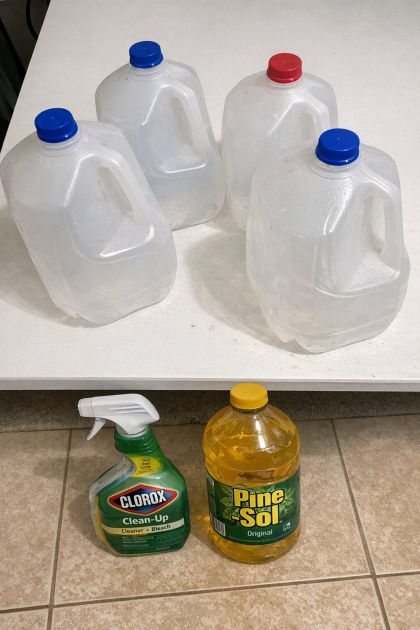
Materials
3 empty plastic gallon milk jugs
3 household sponges (standard size, preferably yellow)
Utility knife or sharp scissors
Directions
Clean and thoroughly dry the empty milk jugs.
Using a utility knife or sharp scissors, carefully slice off the bottom 3 to 4 inches of each milk jug. Ensure the cut is straight for stability.
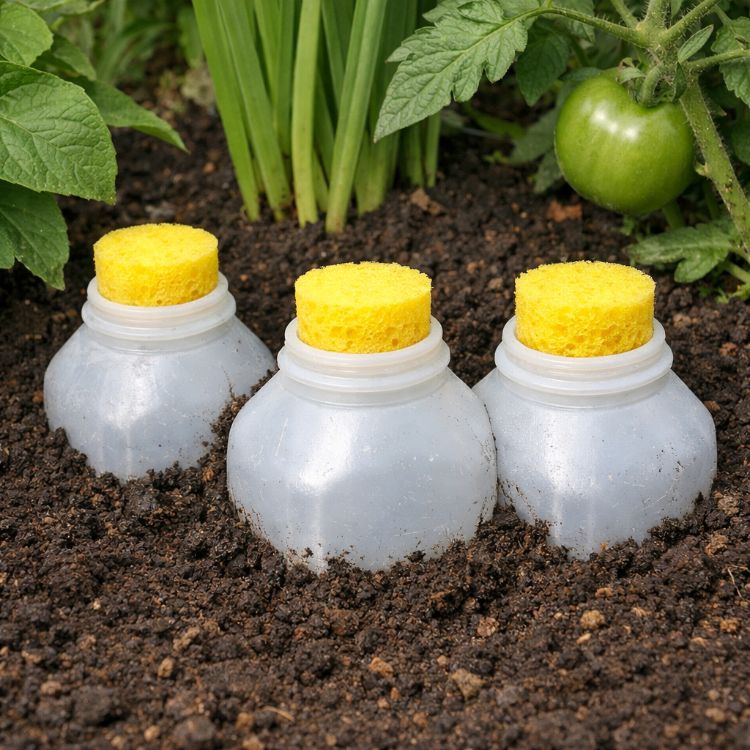
Take a household sponge and cut it to fit snugly inside the neck of each milk jug. This will act as a water filter and prevent soil from entering the jug.
Dig a hole next to the plant that needs watering. The hole should be deep enough to bury the jug so that only the top portion is visible above the soil.
Place the jug, neck down with the sponge inside, into the hole. Backfill the hole with soil to secure the jug in place.
Fill the top of the jug with water as needed. The water will slowly seep through the sponge and into the soil, directly hydrating the plant's roots.
Variations & Tips
For a more tailored watering approach, consider using colored sponges or marking the jugs with plant names or watering schedules. You can also experiment with different sponge densities to control the water flow rate. For larger plants, use a similar method with larger plastic containers. Additionally, adding a small amount of fertilizer to the water can provide nutrients directly to the roots.