
Transforming ordinary plastic grocery bags into a functional and environmentally-friendly outdoor doormat is a creative way to repurpose materials that would otherwise end up in landfills. This DIY project not only helps reduce waste but also offers a unique and durable outdoor accessory. With just a few household items, you can create a woven doormat that adds a personal touch to your home’s entrance while showcasing your crafting skills.
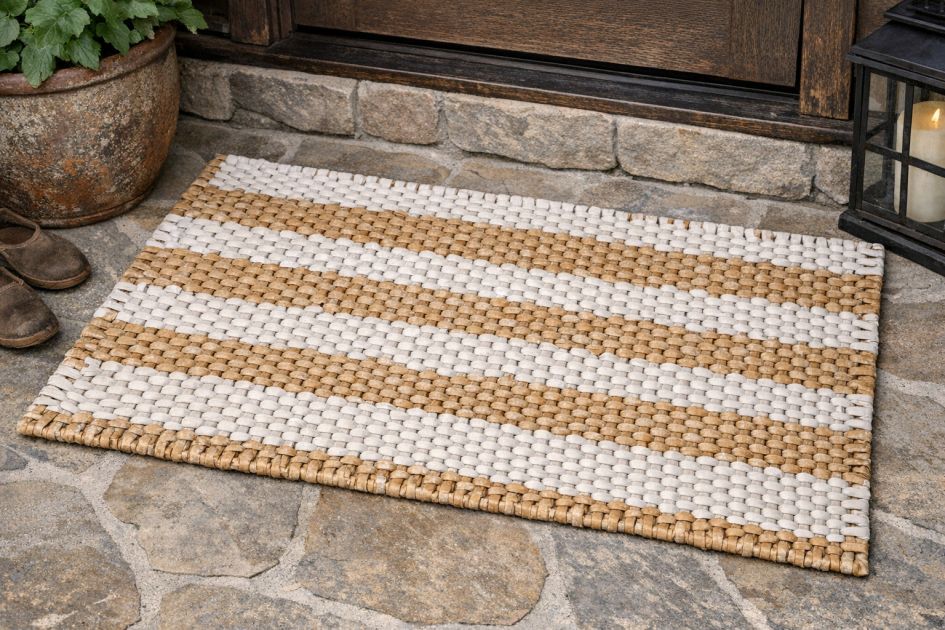
Place the finished doormat at the entrance of your home or on a patio to welcome guests with a touch of eco-friendly charm. The neutral tones of the white and tan plastic bags blend seamlessly with natural outdoor settings, complementing wood, stone, or brick surfaces. Pair it with potted plants or a simple wooden bench for a cohesive look that enhances the rustic or modern aesthetic of your outdoor space.
Fused Plastic Grocery Bag Woven Doormat
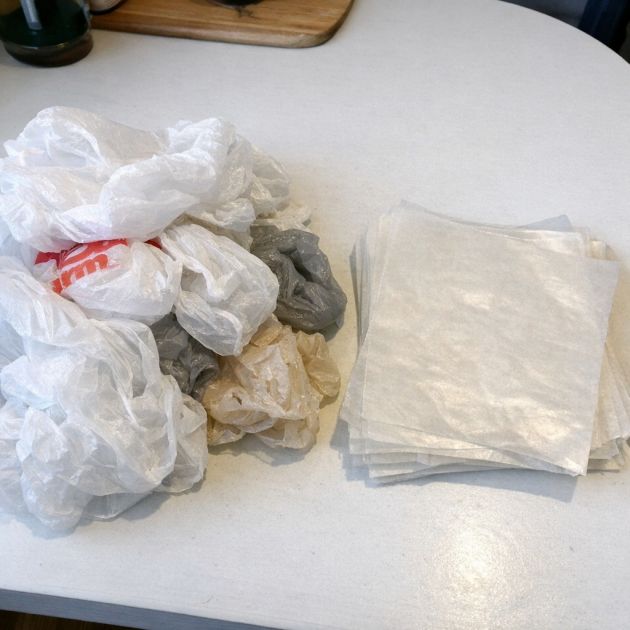
Materials
Plastic grocery bags (white and tan) - 20 to 30 bags
Parchment paper - 1 roll
Household iron - 1
Beige drop cloth or similar surface protector - 1
Scissors - 1 pair
Directions
1. Flatten each plastic grocery bag by cutting off the handles and bottom seam, creating a flat rectangular sheet.
2. Layer the plastic sheets between two pieces of parchment paper on top of the beige drop cloth to protect your working surface.
3. Preheat the iron to a medium setting without steam.
4. Carefully iron over the parchment paper in a circular motion to fuse the plastic layers together. Ensure even heat distribution to avoid bubbles and uneven textures.
5. Allow the fused plastic to cool, then cut the sheets into uniform strips approximately 2 inches wide.
6. Weave the strips together in an over-and-under pattern, creating a tightly-knit rectangular shape for the doormat.
7. Once woven, fuse the ends of the strips together using the iron and parchment paper method to secure the weave in place.
8. Trim any excess material from the edges for a clean finish.
Variations & Tips
For a more colorful version, incorporate plastic grocery bags in different colors, such as green or blue, to add a vibrant touch to your doormat. You can also experiment with different weaving patterns, such as diagonal or herringbone, to create visually interesting designs. Additionally, consider using a sewing machine to stitch the strips together for extra durability, especially if the doormat will be exposed to heavy foot traffic or harsh weather conditions.