
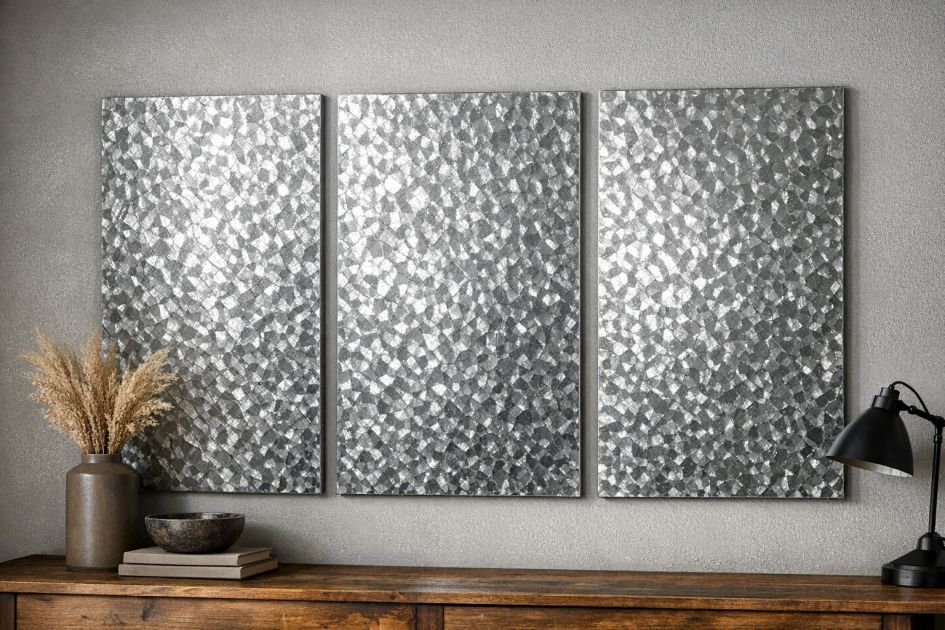
Transform your walls with a creative and budget-friendly DIY project that mimics the luxurious look of hammered metal. Using simple crinkled aluminum foil and a few household items, you can create stunning faux hammered metal wall panels that add texture and interest to any room. This project is perfect for those looking to refresh their space without a hefty price tag, and it offers a unique blend of industrial and chic aesthetics.
These faux hammered metal panels make a bold statement when used as an accent wall in a living room or bedroom. Pair them with minimalist furniture in neutral tones to highlight their texture. For a more dramatic effect, use them in a dining room with dark wood furniture and metallic accessories. The panels work well with both modern and industrial decor styles, offering a versatile addition to any interior design.
Faux Hammered Metal Wall Panels
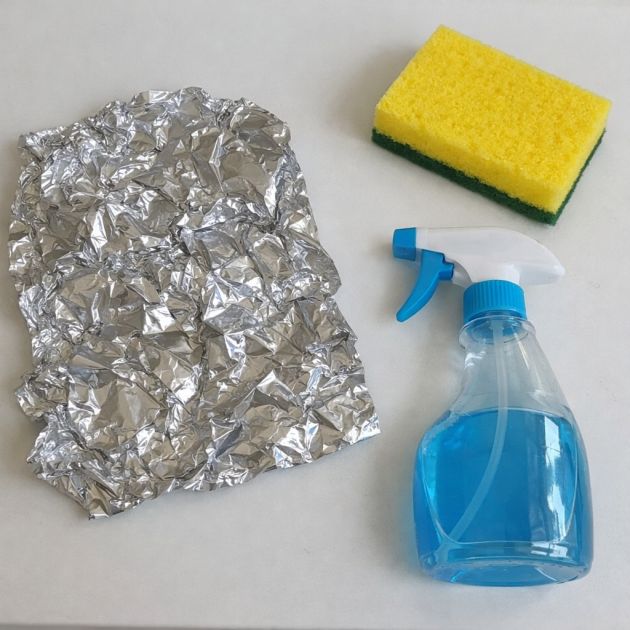
Materials
Aluminum foil sheets, enough to cover your desired wall space
Iron (any household iron will work)
Spray adhesive, 1 can
Foam board or similar backing material, enough to cover your desired wall space
Scissors
Measuring tape
Directions
Measure the wall space where you want to install the panels and cut the foam board to fit this area.
Tear the aluminum foil sheets into sections slightly larger than your foam board pieces.
Crumple each aluminum foil sheet gently to create a crinkled texture, then carefully flatten them out again.
Using the iron on a low setting, gently press over the crinkled foil to create a hammered-like texture. Do this on a worn wood workbench for best results.
Spray adhesive on the back of each foil sheet and carefully adhere it to the foam board, smoothing out any wrinkles.
Trim any excess foil from the edges of the foam board using scissors.
Mount the finished panels on your wall using adhesive strips or nails, ensuring they are evenly spaced and aligned.
Variations & Tips
For a more colorful effect, consider painting the crinkled aluminum foil with metallic spray paint in gold, bronze, or copper before adhering it to the foam board. This adds a different metallic hue that can complement various color schemes. Additionally, you can experiment with different crinkle patterns and foil thicknesses to achieve a unique texture. If a more permanent installation is desired, replace the foam board with thin plywood for greater durability.